How Do You Compare One Plywood Supplier With Another?
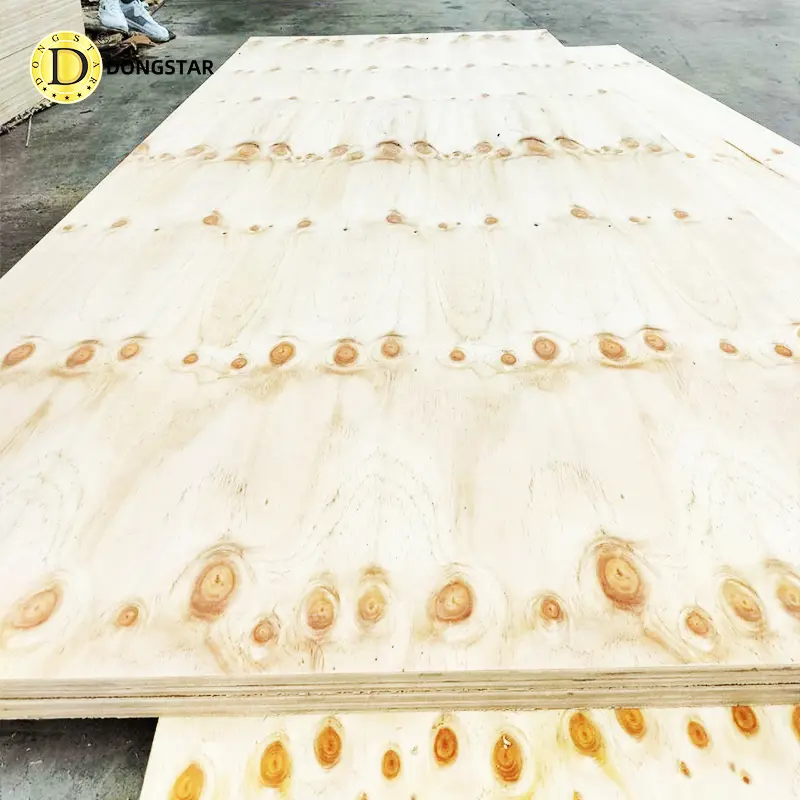
Compare plywood suppliers by putting the same specification, inspection method, commercial terms, and shipment conditions in front of every factory. A $10.20 panel with a 1% rejection rate can cost less in production than a $9.90 panel with 5% unusable sheets. Check actual thickness at 20–30 points, moisture across at least 10 panels, veneer construction, bond performance, face defects, packing, certifications, delivery records, and claim terms. For European construction applications, EN 314 and EN 636 classifications also matter. Price should be compared only after product specifications and acceptable tolerances are identical. A 2–3% purchasing difference can disappear after sorting, rework, freight, or rejected material.
A useful comparison starts with a written specification because names such as “18 mm hardwood plywood” leave too many variables open. One supplier may quote 17.4–17.8 mm production, while another regularly supplies 18.0–18.4 mm. For furniture parts cut on CNC equipment, a 0.6 mm difference can affect grooves, edge alignment, hardware installation, and lamination. Measure several sheets from different pallet positions rather than checking the top panel only; a sample of 20 sheets gives far more information about production consistency than one selected board.
The specification should state 1220 × 2440 mm or the required market size, nominal thickness, permitted tolerance, core species, veneer construction, face/back grade, glue classification, sanding, moisture range, emissions requirement, packing, and labeling. For example, accepting ±0.5 mm thickness is different from accepting ±1.0 mm. Once suppliers quote against the same document, differences in price become easier to explain through material, construction, production control, or commercial terms.
Core construction should then be inspected from cut edges, not judged from the face veneer. Count the veneer layers, measure several inner veneers, and look for overlaps, open joints, missing material, and repaired gaps. A 15 mm panel made with 9 relatively uniform plies can behave differently during routing and screw installation from another 15 mm panel assembled with fewer, thicker, less uniform layers. Sampling 10–20 cut sections from production panels can show whether the sample sheet represents normal output.
Density can add another comparison point, although higher density alone does not prove higher quality. Record panel weight from at least 10 sheets of identical dimensions and thickness, calculate the average, and compare the spread between the lightest and heaviest panels. A batch where sheet weights differ by 8–10% deserves further examination because species mix, moisture, veneer construction, or internal gaps may vary. The acceptable range should depend on the application rather than a single universal number.
Moisture measurements should follow the weight check because water content changes panel weight and can affect storage, machining, flatness, and long-distance transport. Measure several locations on at least 10 panels and record the highest, lowest, and average readings. A supplier reporting “about 10% moisture” gives less useful information than production records showing most finished panels within an agreed 8–12% range. Warehouse conditions before container loading should also be checked, especially during humid seasons.
Bonding performance needs similar precision. EN 314-2 covers plywood bonding-quality requirements, while EN 636 separates plywood for dry, humid, and exterior conditions; EN 636-1, EN 636-2, and EN 636-3 are not interchangeable descriptions. A buyer ordering panels for protected furniture use therefore evaluates different exposure requirements from a company buying panels for exterior construction. Test reports should identify the panel construction, standard, test date, and product represented rather than providing an unrelated certificate issued years earlier.
For structural or construction-related products, documentation should be matched to the actual panel being purchased. EN 13986 covers characteristics, conformity evaluation, and marking of wood-based panels used in construction, including structural and non-structural applications under different service conditions. If a supplier changes core species, thickness, glue system, or production location, ask whether the declaration and supporting test documentation still cover the supplied construction.
Face quality requires its own acceptance language because descriptions such as B grade, BB, CC, or “commercial grade” can be interpreted differently between producers. Specify maximum repaired knots, open defects, splits, sanding marks, overlaps, discoloration, and patch size. Inspect at least 30 faces from normal production and record the percentage outside the approved appearance standard. A supplier producing 2% unacceptable faces is commercially different from one producing 8%, even when both quotation sheets use the same grade name.
Decorative and furniture plywood requires additional checks on veneer thickness, grain matching, joint quality, and sanding allowance. A thin face veneer may look acceptable before machining but leave less material for sanding after lamination or finishing. When appearance is important, approve several physical reference panels and retain them for later shipment inspections. Photographs help with obvious defects, but a retained panel provides a better reference for color, grain, surface texture, and repair quality after 3 or 6 months.
The purchasing comparison should then move from product quality to usable material cost.
| Item | Supplier A | Supplier B |
|---|---|---|
| Quoted price per sheet | $10.00 | $10.25 |
| Rejected or unusable sheets | 5% | 1.5% |
| Cost per usable sheet | $10.53 | about $10.41 |
| Order quantity | 5,000 sheets | 5,000 sheets |
| Nominal material spend | $50,000 | $51,250 |
Supplier B is $1,250 more expensive on the original 5,000-sheet invoice, yet Supplier A leaves about 250 unusable sheets at a 5% rejection rate compared with 75 sheets at 1.5%. The comparison becomes more complete after adding inspection, sorting labor, replacement material, production interruption, disposal, and customer claims. Even a 2% quality difference becomes noticeable when purchasing several containers every month.
Freight should be normalized in the same way. Compare EXW, FOB, CFR, and CIF quotations only after separating inland transport, terminal charges, ocean freight, insurance, destination charges, import expenses, and final delivery. If one 40-foot container carries 45 m³ and another loading arrangement carries 50 m³ within permitted weight and transport limits, the freight allocation per cubic meter differs by roughly 11%. Packing strength and unloading requirements still need to be considered before simply maximizing loading volume.
Container inspections can use a repeatable sampling plan rather than random visual impressions. A practical commercial inspection may check 20–30 panels across several pallets for dimensions and appearance, select 10 or more for moisture readings, and cut samples when internal construction must be verified. Record pallet numbers so defects can be linked to production batches. After 5 or 10 shipments, the importer can compare suppliers using actual rejection rates rather than statements made during sales discussions.
Delivery records deserve equal attention. A supplier promising 25 days but averaging 34 days across 6 orders creates a different inventory requirement from a supplier quoting 30 days and averaging 31. Record order confirmation, production completion, inspection readiness, loading, and document-release dates. An 8–10 day variance may require additional safety stock, particularly for distributors serving regular weekly demand or furniture plants working to fixed production schedules.
Commercial flexibility can change inventory cost as well. One producer may require a full container of a single 18 mm specification, while another accepts 9 mm, 12 mm, 15 mm, and 18 mm in one container. For a distributor carrying 20 plywood SKUs, mixed-container purchasing can reduce the amount of slow-moving stock even when the unit price is 2–4% higher. Compare MOQ by thickness, surface, face grade, packaging, label, and OEM requirement rather than asking only for the minimum total order.
Compliance documentation should be checked before larger orders because paperwork errors can delay customs clearance or prevent material from being sold for the intended application. For EU trade, the EUDR application timetable now begins on 30 December 2026 for large and medium operators, with 30 June 2027 applying to most micro and small operators. Importers dealing with wood products should confirm applicable scope, product classification, due-diligence responsibilities, origin information, and supporting documentation for their own position in the supply chain.
When reviewing a Plywood Supplier, documentation should be compared with physical production rather than reviewed separately. Factory audits can check veneer receiving, drying, grading, glue preparation, lay-up, pressing, sanding, inspection, packing, warehouse conditions, and traceability. Ask for recent production records and select samples from normal stock. A factory capable of producing 1 excellent sample is not automatically capable of supplying the same specification across 10 consecutive containers.
Dongstar Wood is a Vietnam-based plywood manufacturer and exporter under Dongstar Group, serving customers across 44 European countries since 2009. We specialize in commercial plywood, film faced plywood, construction plywood, birch plywood, furniture plywood, and customized plywood solutions.
Backed by CE 2+, FSC®, EUDR, DOP, and SEDEX (BSCI) certifications, we meet European standards for quality, sustainability, and compliance. With over 15 years of manufacturing and export experience, we support importers, distributors, furniture manufacturers, and construction companies with reliable plywood supply and OEM/ODM solutions.
Claims handling should be discussed before the first large shipment, not after a disagreement. Ask how many days the buyer has to report defects, what photographs or inspection records are required, whether third-party inspection is accepted, and how replacement, credit, or refund cases are handled. If 3% of a 5,000-sheet shipment is disputed, the claim involves 150 sheets; agreed procedures make quantity verification and responsibility easier for both parties.
After several orders, maintain one supplier record using measurable results: thickness conformity percentage, moisture range, face rejection rate, delamination cases, packaging damage, on-time shipment percentage, document accuracy, claim response time, and landed cost per usable sheet. A supplier that maintained 98.5% acceptance across 8 shipments provides more purchasing information than a supplier evaluated from a showroom panel and one quotation. Repeated shipment data should carry more weight than a specially prepared sample.